
Home improvement loans
Sunny Day Lending Home Improvement Alternatives
Paint, flooring and fixtures add up quickly. Compare a personal loan with Sunny Day Lending options for projects under $5,000.
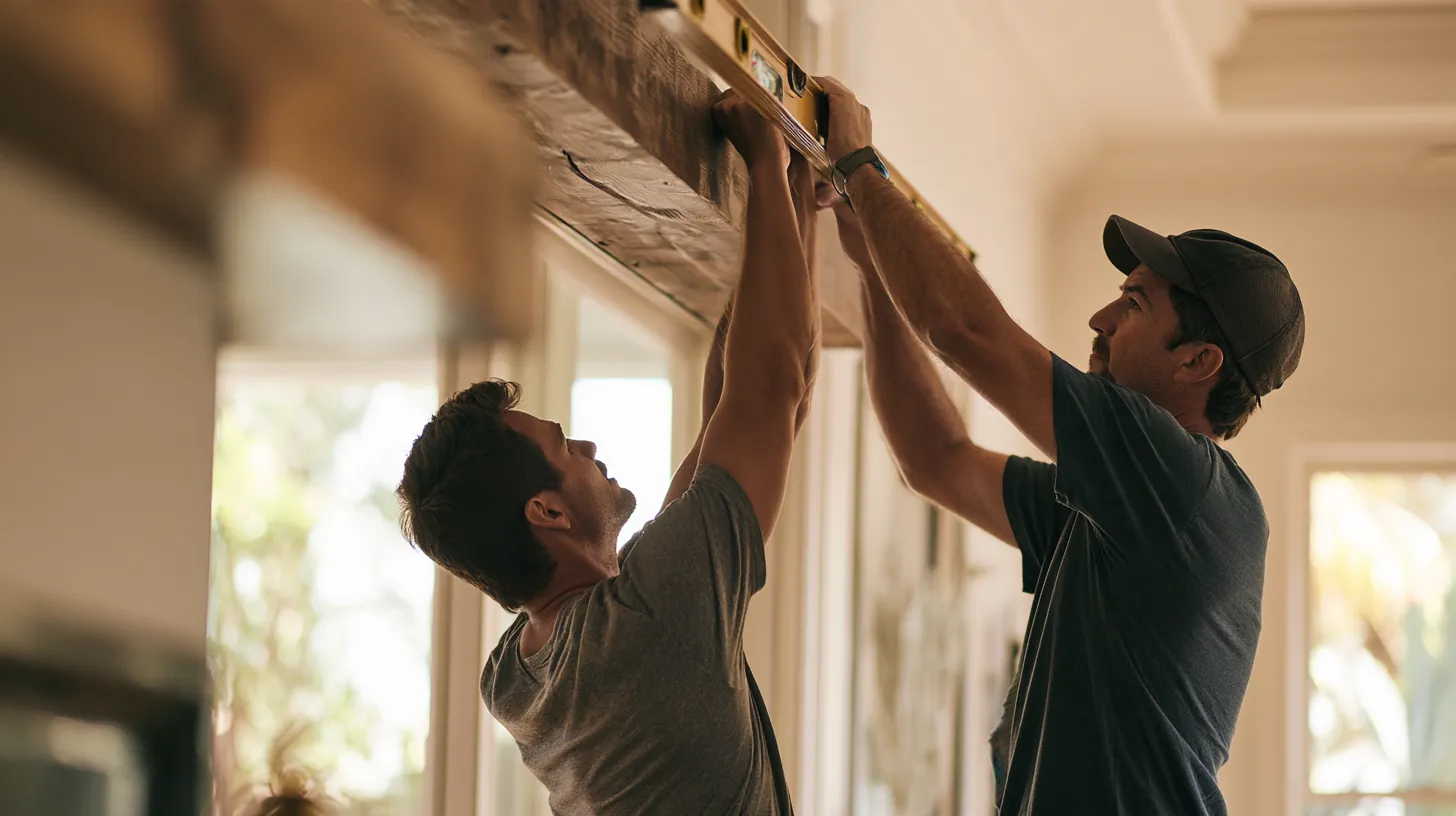
What a home improvement loan is
A home improvement loan in this size range is an unsecured personal loan used for upgrades and upkeep, with no lien on the house and no appraisal required.
That sets it apart from a home equity loan or line of credit, which uses the property as collateral and takes weeks to close. A personal loan can fund in days, which suits a project priced at a few thousand dollars. Homeowners and renters alike can use one. People who look into Sunny Day Lending for a project generally want speed and simple paperwork.
Requests through our form run from $500 to $5,000. We are not a lender; lenders in our network review requests and make any offers.
Projects that fit under $5,000
Projects that fit under $5,000 include interior painting, a room of new flooring, a water heater, a storm door, basic bathroom updates and energy-saving fixes such as insulation.
| Project | Typical cost (estimate) | Can be done DIY? |
|---|---|---|
| Interior paint, three rooms | $900 to $2,400 | Yes, with time |
| Vinyl plank flooring, 300 sq ft | $1,200 to $2,700 | Yes, moderate skill |
| Tank water heater replacement | $1,100 to $2,300 | No, licensed work advised |
| Attic insulation top-up | $1,000 to $2,500 | Partly |
| Vanity, faucet and toilet swap | $900 to $2,600 | Partly |
| Exterior door replacement | $700 to $2,000 | Skilled DIY only |
Ranges are general estimates that shift with region and materials. Get two or three written bids for hired work. A realistic price is the foundation of the request, and it is the figure to hold any Sunny Day Lending quote against.
Sizing the loan to the job
Size the personal loan to the written bid plus about 10% for surprises behind walls or under floors, and avoid rounding up beyond that. Examples use an example APR of 26.9%.
$1,500
About $143.95 a month over 12 months, or $1,727.44 in total. An estimate for a refresh.
See the $1,500 loan page$2,500
About $135.82 a month over 24 months, or $3,259.77 in total. An estimate for flooring or a water heater.
See the $2,500 loan page$5,000
About $203.86 a month over 36 months, or $7,338.89 in total. An estimate for a small bathroom update.
Request up to $5,000If the project is larger than $5,000, a personal loan of this size will not finish it. Staging the work, doing the urgent part now and the rest later, is often better than starting something you cannot complete.
Deciding what to do yourself

Doing part of a project yourself can cut the amount borrowed by 30% to 50%, as long as the tasks match your skill and anything involving gas, wiring or structure is left to licensed trades.
Labor is usually half or more of a contractor's bid. Demolition, painting, trim and cleanup are realistic for most people. Plumbing connections, electrical circuits and anything needing a permit generally are not. We go through the trade-offs task by task in DIY or hire out: splitting a home project.
Price tools and your own time honestly. If DIY brings a $3,000 job down to $1,700, the personal loan and its interest both shrink, which matters more than a point of APR between Sunny Day Lending alternatives.
Rates compared with home equity borrowing
Unsecured personal loan rates are higher than home equity rates because no collateral backs the debt, but for small projects the absence of closing costs and the speed often outweigh the difference.
A home equity loan might carry a single-digit rate yet cost several hundred dollars in fees and take a month to close, and many lenders set minimums of $10,000 or more. On $2,500 over 24 months at an example 26.9% APR, total interest is about $759.77. Closing costs alone on an equity loan could approach that.
The rates guide shows typical personal loan rates by credit profile. Homeowners with strong credit who are searching for low interest personal loans should gather several offers and include any Sunny Day Lending loans quote in the comparison.
Who qualifies, including renters
Homeowners and renters can both qualify, since approval rests on income, credit and existing debt instead of home equity or property value.
A lender will want proof of income, a checking account and identification. You are not asked for a deed, a contractor's license or photos of the house. Renters should get the landlord's written consent for any alteration before borrowing for it. Some lenders ask the purpose and may request an estimate, though most do not.
See the eligibility guide for the document list. Checking offers through our form does not affect your credit score by itself; our post on whether checking loan offers affects your credit score explains soft and hard inquiries, a common question from people comparing Sunny Day Lending options.
Working with a contractor when you finance
When a financed project involves a contractor, pay in stages tied to completed work and never hand over the full loan amount before the job begins.
- Verify the license and insurance with your state or county before signing.
- Get a written scope listing materials, brands, start date and completion date.
- Limit the deposit. Many states cap deposits; 10% to 30% is common.
- Hold a final payment until the work passes your walkthrough.
- Keep lien waivers from the contractor and major suppliers.
Because a personal loan lands in your account, you control the payments. Contractor-arranged financing can be convenient, but compare its APR with what Sunny Day Lending alternatives and other lenders offer you directly.
Which projects hold their value
Small projects that hold value best are those that fix function or efficiency, such as water heaters, insulation and doors, followed by low-cost cosmetic work like paint.
Energy improvements can lower utility bills each month, offsetting part of the payment. Fresh paint and updated fixtures are inexpensive and widely appreciated by future buyers. Highly personal upgrades return less. If you plan to sell within a couple of years, favor repairs an inspector would flag.
Some efficiency projects qualify for utility rebates or tax credits; check with your utility and a tax professional before buying. A rebate can go directly toward the loan balance, a tidy way to shorten any personal loan, including one from the Sunny Day Lending alternatives in our network.
From bid to finished project
The path from bid to finished project has five steps: define the scope, collect bids, arrange funding, schedule the work and close out with receipts and warranties.
- Scope: write down exactly what will be done and what will not.
- Bids: get two or three, and ask each bidder what could raise the price.
- Funding: send one request through our form and compare the offers you receive.
- Schedule: order materials only after funds arrive.
- Close-out: save receipts, manuals and warranty cards with the loan agreement.
There is no Sunny Day Lending application here, only a short request form. If an offer arrives, read the lender's disclosure fully before accepting.
Fitting the payment into household costs
A project payment should fit after housing, utilities, food, transport and existing debt, leaving a cushion for the maintenance every home eventually needs.
Homes produce surprise costs, so avoid committing every spare dollar to a discretionary upgrade. A common guide is to keep all non-mortgage debt payments under 15% to 20% of take-home pay. The budget planner shows where a new payment would put you.
If the numbers are tight, a smaller scope or a longer term can help, though a longer term raises total interest. Small personal loans are easiest to carry when they finish before the next project begins.
Other ways to pay for a project
Other ways to pay include savings, a 0% promotional store card, utility on-bill financing, local repair grants and, for larger jobs, home equity products.
Store cards with deferred interest can be free if paid within the promotional period and costly if not. Some utilities finance efficiency upgrades on the bill at low rates. Cities and counties run repair assistance for older or lower-income homeowners. For projects of five figures, equity borrowing or a cash-out refinance usually costs less than unsecured loans.
For a modest job that needs to happen this month, a personal loan remains a practical choice. That is the gap Sunny Day Lending alternatives fill for many households.
A worked example: a failed water heater
Replacing a failed water heater for $2,100 with a personal loan over 18 months would cost an estimated $143.07 a month at an example APR of 26.9%.
The tank starts leaking on a Tuesday. A plumber quotes $1,900 installed, including haul-away, and warns that the shutoff valve may need replacing for another $150. The homeowners have $700 in savings they would rather keep for the mortgage. They request $2,100, which covers the quote, the valve and a small margin. Interest over 18 months at 26.9% is about $475.23; over 12 months it would be about $318.41 with a payment of $201.53.
They choose 18 months for the lower payment and plan to add $25 a month, which brings the payoff close to the 14-month mark. The utility offers a $100 rebate for an efficient model, and that goes straight to principal. The steps are ordinary, yet they are the ones that keep a repair loan cheap: borrow the bid plus a margin, pick a payment that fits, then shorten the term with extras. The same plan works with a Sunny Day Lending quote or with any personal loan from another lender.
A home equity line was never a realistic option here; the amount was too small and the hot water was off. That is the typical case for Sunny Day Lending alternatives in home repair.
Repaying a project loan
Repaying a project loan is simplest with autopay, a due date after payday and extra payments from any rebate, refund or energy savings.
If the upgrade trims the power bill by $20 a month, add that $20 to the payment and the personal loan ends sooner. The repayment guide shows how small extras shorten a schedule. Should income drop, call the lender early.
A completed loan and a finished room are both assets. Keep the paperwork; it supports resale value and any future request to Sunny Day Lending alternatives or other lenders.
Quick answers
Can renters get a home improvement loan?
Yes. An unsecured personal loan does not depend on owning the property. Renters should get written permission from the landlord for any changes and consider whether the improvement benefits them long enough to justify the cost.
Do Sunny Day Lending home improvement loan alternatives put a lien on my house?
No. The personal loan offers in our network are unsecured, so no lien is placed on your home. The lender relies on your credit and income, and the house is not collateral.
How fast can I get funds for an urgent repair?
Some lenders fund as soon as the next business day after you accept an offer. That speed is the main advantage over home equity borrowing, which often takes several weeks to close.
Is the interest tax deductible?
Usually not. Interest on an unsecured personal loan is generally not deductible for a personal residence, unlike some home equity interest. Ask a tax professional about your situation and about energy-related credits.
Can I use Sunny Day Lending alternatives for an emergency home repair?
Yes. A personal loan can pay for urgent work such as a water heater, a furnace part or a roof patch. Funding may arrive by the next business day, depending on the lender, so ask the contractor about a short payment window.
Explore other loan types and amounts
Loan types
- Personal Loans
- Debt Consolidation Loans
- Auto Repair Loans
- Rent & Utilities Loans
- Childcare Loans
- Small Business Loans
- Vacation Loans
- Moving Loans
- Bad Credit Loans
Loan amounts
Ready when you are
Compare Sunny Day Lending alternatives for home improvement loans
One short personal loan request, no fee to use and no obligation to accept an offer.
Start your request